Are “Performance Plant-Based” Diets the New Keto? The Athlete-Driven Nutrition Economics
——Keto is retreating from sports nutrition while performance-focused plant-based diets continue to rise.
By Scarlett Hayes | Updated on April 11, 2026 | 🕓 14 min read
Key Highlights
- Why are more sports nutrition brands investing in plant-based protein products?
- Can plant-based protein support muscle growth as effectively as whey protein?
- Why are flexitarian athletes becoming more important than strict vegans in sports nutrition marketing?
- What advantages does plant-based nutrition offer in Asia-Pacific markets?
- Could personalized nutrition become the next major shift after plant-based performance diets?
On the data side, social mentions of keto fell by 18.5% year-over-year in mid-2025, while keto options on restaurant menus declined by 12.3% (Tastewise Food & Beverage Trend Report, 2025). At the same time, plant-based ingredients now account for 62% of sports nutrition formulations, and the plant-based protein supplement market is projected to grow from $28.4 billion in 2024 to $59.4 billion by 2033 at a compound annual growth rate (CAGR) of 8.6% (Grand View Research – Plant Based Protein Supplements Market Size Report, 2024/2033).
In my view, this represents a classic shift in economic narratives. Once the performance mythology surrounding keto among athletes began to crack, the market needed a new story to occupy shelf space and consumer attention. Plant-based nutrition happened to be standing in exactly the right place.
The Athlete's Keto Paradox: From Performance Myth to Medical Retreat
The keto market itself has not collapsed. In fact, the global ketogenic diet market was valued at approximately $13.16 billion in 2025 and is expected to reach $20.75 billion by 2033 (Grand View Research – Ketogenic Diet Market Size & Share Report, 2025/2033).
However, the engine of growth has fundamentally changed. Keto is increasingly shifting away from sports performance and rapid fat-loss narratives and toward medical applications such as epilepsy management and Type 2 diabetes reversal. The partnership between Novo Nordisk and Virta Health sends a clear signal: keto is becoming medicalized rather than athleticized.
Behind this transition lies a series of less-than-flattering outcomes among athletes.
In 2021, Burke and colleagues published research in the Journal of Physiology showing that after three weeks of keto adaptation, elite race walkers experienced higher oxygen costs at race pace and roughly a 7% decline in 10-kilometer race-walking performance (Burke et al., Journal of Physiology, 2021). This was not a matter of "not adapting long enough." Testing occurred after the adaptation phase had concluded, and the results remained the same. For elite athletes, a 7% difference can mean the gap between a podium finish and complete irrelevance.
A more recent example emerged in 2024. A double-blind study from McMaster University found that ketone supplements not only failed to improve cycling time-trial performance but actually reduced speed (International Journal of Sport Nutrition and Exercise Metabolism, 2024). In an even more dramatic case, a world-class long-distance triathlete reported the worst half-Ironman performance of his career after 21 weeks on a low-carbohydrate diet and ultimately failed to finish a race by week 32.
These failures rarely appear in keto supplement advertisements. Yet one open secret within the industry is that supplement companies are quietly moving keto product lines away from the "sports performance" shelf and toward "weight management" and "clinical nutrition" categories. Athlete endorsement contracts are shrinking, leaving behind a massive narrative vacuum.
The market needs a new story.
How Plant-Based Nutrition Filled the Void: From Moral Label to Performance Label
Early plant-based marketing relied heavily on two keywords: sustainability and animal welfare.
Those messages resonated with mainstream consumers, but they were weak selling points for athletes. Someone preparing to squat twice their body weight is unlikely to change protein sources because of a desire to save the planet.
The new generation of plant-based narratives is considerably smarter.
Instead of focusing on morality, it directly targets traditional whey protein's pain points: cleaner recovery, lower inflammatory response, and better compatibility for people with lactose intolerance.
These are performance-oriented messages.
The confidence behind this shift comes largely from a 2021 clinical trial published by Hevia-Larraín and colleagues in Medicine & Science in Sports & Exercise. The study found that when protein intake reached approximately 1.6 grams per kilogram of body weight per day, plant protein and animal protein produced no significant differences in muscle size or strength gains among young men (Hevia-Larraín et al., Medicine & Science in Sports & Exercise, 2021).
This was a critical turning point.
For the first time, brands could market plant protein as "effective," not merely "ethical."
But the real world is never a laboratory.
Between 2018 and 2021, a published case study followed an elite Gaelic football player during a 12-week transition to a vegan diet. The outcome was not the flawless transformation often portrayed on social media. Instead, it involved a series of adjustments, compromises, and practical challenges.
The initial problems were surprisingly mundane.
Using MyFitnessPal to track intake, the athlete discovered that meeting protein targets required consuming enormous amounts of food. Chickpeas, lentils, and whole grains filled entire plates. Fiber intake easily exceeded double the recommended levels.
The result?
Severe gastrointestinal bloating before high-intensity training sessions. During matches, he described feeling as though "there was a balloon inside his stomach."
His solutions were not particularly elegant.
Several hours before competition, he abandoned legumes and switched to tofu. Brown rice was replaced with white rice before training simply to reduce fiber load. On some days, protein targets were temporarily lowered by approximately 35 grams just to ensure training quality could be maintained.
Three months later, body composition and muscle mass were preserved, but the process involved extensive trial and error.
He supplemented daily with 3 grams of creatine, a multivitamin emphasizing vitamin B12, iron, iodine, and vitamin D, and used a pea-and-rice protein blend.
The most honest aspect of the case study was that it never claimed, "Veganism made me stronger."
Instead, it documented something much more realistic:
"Veganism required me to relearn how to eat."
(PMC Case Study – Transition to a Vegan Diet in an Elite Male Gaelic Football Player, 2018/2021)
This is what I call the imperfect position.
The true growth of plant-based nutrition among athletes may not come from committed vegan advocates. It may come from the rise of the "flexitarian athlete"—someone who uses plant-based supplements during training, eats meat on weekends, and adjusts dietary choices according to digestive comfort during competition periods.
Ironically, this ambiguity expands the market because it lowers the barrier to entry.
Nutrition Economics: Who Is Betting on This Transition?
If you watch the behavior of sports nutrition companies, it becomes obvious that they are voting with real money.
Traditional whey giant Optimum Nutrition launched its Gold Standard 100% Plant line and has begun piloting AI-driven personalized protein recommendations in selected markets.
Grenade Nutrition expanded its plant-based protein snack portfolio and explicitly cited the growth of vegetarian fitness trends as part of its product strategy.
More notably, Labrada Nutrition introduced subscription-based protein plans. Due to shelf-life characteristics and cost structures, plant-based supplements are naturally more compatible with direct-to-consumer subscription models than dairy-based products.
The supply chain tells a similar story.
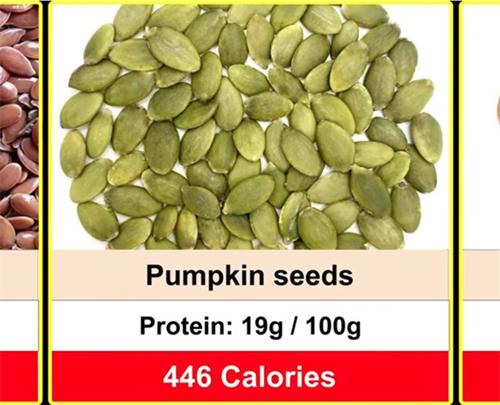
Pumpkin seed protein is expanding at a CAGR of approximately 9.2% because of its low allergenic potential and naturally high zinc and magnesium content (Grand View Research – Plant Based Protein Supplements Market Size Report, 2024).
Pea protein, meanwhile, has evolved from an alternative ingredient into the industry's baseline ingredient—the position whey once occupied.
There is also an overlooked factor that might be called the economics of digestion.
The global sports nutrition market reached approximately $59.13 billion in 2025. Asia-Pacific accounted for 38.35% of that market and remains the fastest-growing region (Fortune Business Insights – Sports Nutrition Market Size, Share & Analysis Report, 2025/2034).
Across East Asia and Southeast Asia, lactose intolerance rates are significantly higher than those found in Northern Europe.
In these markets, plant-based sports nutrition is not a lifestyle choice associated with affluent Western consumers. It is often a functional necessity.
That geographic universality is something the keto narrative never truly possessed.
Of course, plant-based protein powders experienced their own difficult beginnings.
The first generation of products was mocked by serious fitness enthusiasts for its earthy flavor and chalky texture. Repurchase rates were poor.
Only after advances in enzymatic processing and flavor-masking technologies did the category begin overcoming those barriers.
The educational costs were substantial, and many smaller brands disappeared along the way.
This forgotten period of failure is rarely discussed today.
Athletes as Living Advertisements: A Subtle Shift in Endorsement Logic
During the keto era, athlete endorsements followed a simple formula:
Extreme equals effective.
Endorsers showcased strict carbohydrate restriction, blood ketone monitoring, and meticulously measured fat intake.
The narrative appealed to hardcore fitness audiences but alienated mainstream consumers because it resembled a form of dietary asceticism.
The plant-based era has shifted toward a different formula:
Sustainable equals long-term.
Athletes no longer emphasize discipline.
Instead, they say things like:
"I recover faster."
"I got sick less often this season."
"My stomach no longer revolts during long runs."
These are universal pain points that resonate regardless of one's ethical beliefs.
I have noticed an interesting divide on social media.
Instagram content under #plantbasedathlete often consists of daily eating routines and recovery-focused lifestyle content: waking up, oatmeal breakfasts, training sessions, protein shakes, and sleep.
Content under #ketoathlete, by contrast, frequently revolves around body-fat comparisons and ketone test strips.
One approach builds trust.
The other creates anxiety.
From a marketing psychology perspective, trust is far more valuable for long-term brand building.
Yet there is another industry secret.
Supplement companies increasingly avoid choosing hardline vegan athletes as flagship ambassadors.
Why?
Because the genuine risks associated with fully vegan athletic diets—vitamin B12 deficiency, creatine stores approximately 50% lower than those of omnivores (ACS Omega – Plant-Based Diet and Sports Performance, 2025), and low ferritin levels—create vulnerabilities that competitors and science-focused influencers can easily exploit.
Brands increasingly prefer "80% plant-based" ambassadors.
These athletes consume plant protein most of the time but occasionally post a steak on social media.
This strategy allows companies to benefit from the trend while maintaining flexibility.
The reality is that elite athletes follow highly individualized, hybrid, and often non-replicable dietary strategies.
Marketing, however, requires simple stories.
This gap between reality and advertising is precisely where content creators can find untapped opportunities.
Practical Frameworks for Three Types of People
If you have made it this far, you are probably wondering:
What does any of this mean for me?
If You Are a Recreational Athlete or Fitness Enthusiast
Do not overhaul your entire diet first.
Change your supplement ratio first.
Replace your post-workout protein shake with a blended plant-based formula (pea and rice combinations are common) and monitor recovery quality and digestive comfort over the next 30 days.
If you participate in endurance sports, pay attention to creatine and vitamin B12 status.
If you focus on strength training, monitor leucine intake, since plant proteins generally require larger servings to produce muscle protein synthesis signals comparable to whey protein.
If You Are a Content Creator or Marketing Professional
The blue ocean opportunity in plant-based narratives lies in performance recovery and digestive comfort—not saving the planet.
Consumers have spent a decade absorbing keto-driven dietary anxieties involving carbohydrate fear and insulin demonization.
Plant-based brands should focus on additive nutrition rather than restrictive nutrition.
More fiber.
More phytochemicals.
Fewer lactose-related digestive problems.
At the same time, pay close attention to regulatory developments.
The European Union is tightening regulations surrounding sports-food classifications and labeling requirements (Future Market Insights – Sports Nutrition Market Share Analysis, 2025).
Performance-related claims increasingly require stronger evidence, and the risks associated with exaggerated marketing are rising.
If You Are an Investor or Entrepreneur
Watch hybrid ingredient innovation.
The era of single-ingredient stories is fading.
Combinations such as pea protein, pumpkin seed protein, and algae-derived omega-3 fatty acids are replacing the old narrative centered solely on pea protein.
Subscription models and wearable-data-driven personalized nutrition represent the next premium opportunity.
However, investors should recognize one important risk.
Plant-based ingredient prices are often more vulnerable to climate variability and agricultural policy changes than whey protein.
The dairy industry benefits from mature global subsidy systems and highly developed supply chains.
Plant-based nutrition is not necessarily a cheaper option.
It is often a more volatile supply chain.
Conclusion: Transition Stations Are Often the Most Profitable Places
I should be honest.
Plant-based nutrition will not kill keto.
Nor will it be ideal for everyone.
Creatine stores that are roughly 50% lower are a physiological reality. Risks involving vitamin B12 and iron cannot always be solved simply by eating larger quantities of food.
For high-performance athletes, monitoring and supplementation remain essential.
The economic cycles of sports nutrition have never been about determining which dietary approach is scientifically perfect.
They are about identifying which narrative still addresses unmet consumer needs.
Keto fulfilled the demand for rapid fat loss and biohacking throughout the 2010s.
Plant-based nutrition is increasingly fulfilling the demand for long-term recovery and clean-label performance throughout the 2020s.
The next narrative shift may already be emerging in laboratories.
Precision-fermented proteins.
Real-time personalized nutrition powered by continuous glucose monitoring.
Wearable-device-driven dietary optimization.
Plant-based nutrition is not the destination.
It is simply the largest transition station of the current moment.
And history repeatedly demonstrates one thing:
Transition stations are often where the best business opportunities exist.
Questions Readers Often Ask After This Debate
1. If plant-based protein can match whey in studies, why do many elite athletes still rely on animal-based nutrition?
Because matching results in a controlled study is not the same as optimizing performance in the real world.
Elite athletes often prioritize convenience, recovery speed, digestibility, amino acid density, and decades of established practice. Animal-based proteins typically provide higher leucine concentrations and require less planning to meet protein targets. While plant-based diets can support high-level performance, many athletes still view animal proteins as the simpler and less risky option, especially during demanding training blocks and competition seasons.
2. Is keto actually losing relevance, or is it simply shifting from sports performance into medical and therapeutic use?
The evidence increasingly suggests a shift rather than a collapse.
Keto remains influential in areas such as epilepsy management, blood sugar control, and certain clinical nutrition applications. What appears to be changing is its role within sports performance. As more endurance and team-sport research questions keto's benefits at higher intensities, the industry's growth narrative is moving away from athletic optimization and toward therapeutic outcomes.
3. Are consumers choosing plant-based performance products for athletic results, or because they fit broader lifestyle trends?
In reality, most consumers are motivated by a combination of both.
Performance remains important, but purchasing decisions are rarely driven by physiology alone. Digestive comfort, clean-label preferences, sustainability concerns, food sensitivities, and social identity all influence behavior. Many consumers who buy plant-based sports nutrition products are not strict vegans; they simply see plant-based options as fitting their overall lifestyle more comfortably.
4. Could wearable technology and personalized nutrition eventually make today's plant-based versus keto debate irrelevant?
Possibly.
Much of today's nutrition discussion is built around broad dietary categories. However, advances in continuous glucose monitoring, recovery tracking, microbiome analysis, and wearable health devices are pushing nutrition toward personalization. In the future, recommendations may be based less on whether a diet is "plant-based" or "keto" and more on how a specific individual responds to particular foods, nutrients, and training loads.
5. What happens if the economics of plant-based ingredients change and supply-chain costs continue to rise?
Consumer adoption may slow, but the broader trend would likely remain intact.
Plant-based nutrition benefits from multiple drivers beyond price, including lactose intolerance, environmental concerns, product innovation, and changing consumer preferences. However, rising agricultural costs, climate-related disruptions, or supply shortages could reduce margins and make premium plant-based products less accessible. If that happens, brands may increasingly focus on blended formulations that combine plant-based and traditional ingredients rather than promoting fully plant-based solutions.
Data Sources and References
- Grand View Research – Plant Based Protein Supplements Market Size Report, 2024/2033.
- Grand View Research – Ketogenic Diet Market Size & Share Report, 2025/2033.
- Fortune Business Insights – Sports Nutrition Market Size, Share & Analysis Report, 2025/2034.
- Tastewise Food & Beverage Trend Report, 2025.
- Burke et al., Journal of Physiology, 2021.
- Hevia-Larraín et al., Medicine & Science in Sports & Exercise, 2021.
- PMC Case Study – Transition to a Vegan Diet in an Elite Male Gaelic Football Player, 2018/2021.
- ACS Omega – Plant-Based Diet and Sports Performance, 2025.
About the Author
Scarlett Hayes is an independent writer and market trends analyst covering emerging consumer behaviors, niche industries, and economic shifts. Her work explores how changing technologies, cultural preferences, and business models create new opportunities across consumer markets and everyday life.
She focuses on identifying overlooked trends, untapped markets, and the economic forces shaping future consumer and workplace experiences.
Disclaimer
This article is based solely on publicly available market data, academic research, and industry observations. It is intended for informational and analytical purposes only and does not constitute medical, nutritional, or investment advice. Before making significant dietary changes, consult a qualified healthcare professional or registered dietitian.